
Wild Rose Learning Centre | Eavestrough (Gutter) Maintenance Series - Part 2
Wild Rose Property Care - Estimated Read Time: 9 minutes
How often should eavestroughs be cleaned?
For many homes in Leduc and surrounding communities, cleaning your eavestroughs twice a year once in the spring and again in the fall is a good starting point.
However, there is no one-size-fits-all schedule.
The right frequency depends on several factors, including how many trees are near your home, the type of trees on your property, the amount of debris your roof collects, and how quickly that debris accumulates in your eavestroughs.
A home surrounded by mature deciduous trees may need more frequent attention than a home with very little vegetation nearby. Properties underneath spruce, pine, or other coniferous trees can also accumulate debris quickly, sometimes requiring cleaning more often than the traditional spring-and-fall schedule.
The important thing is not necessarily following a calendar. It's making sure your eavestrough system is able to do its job when you need it.
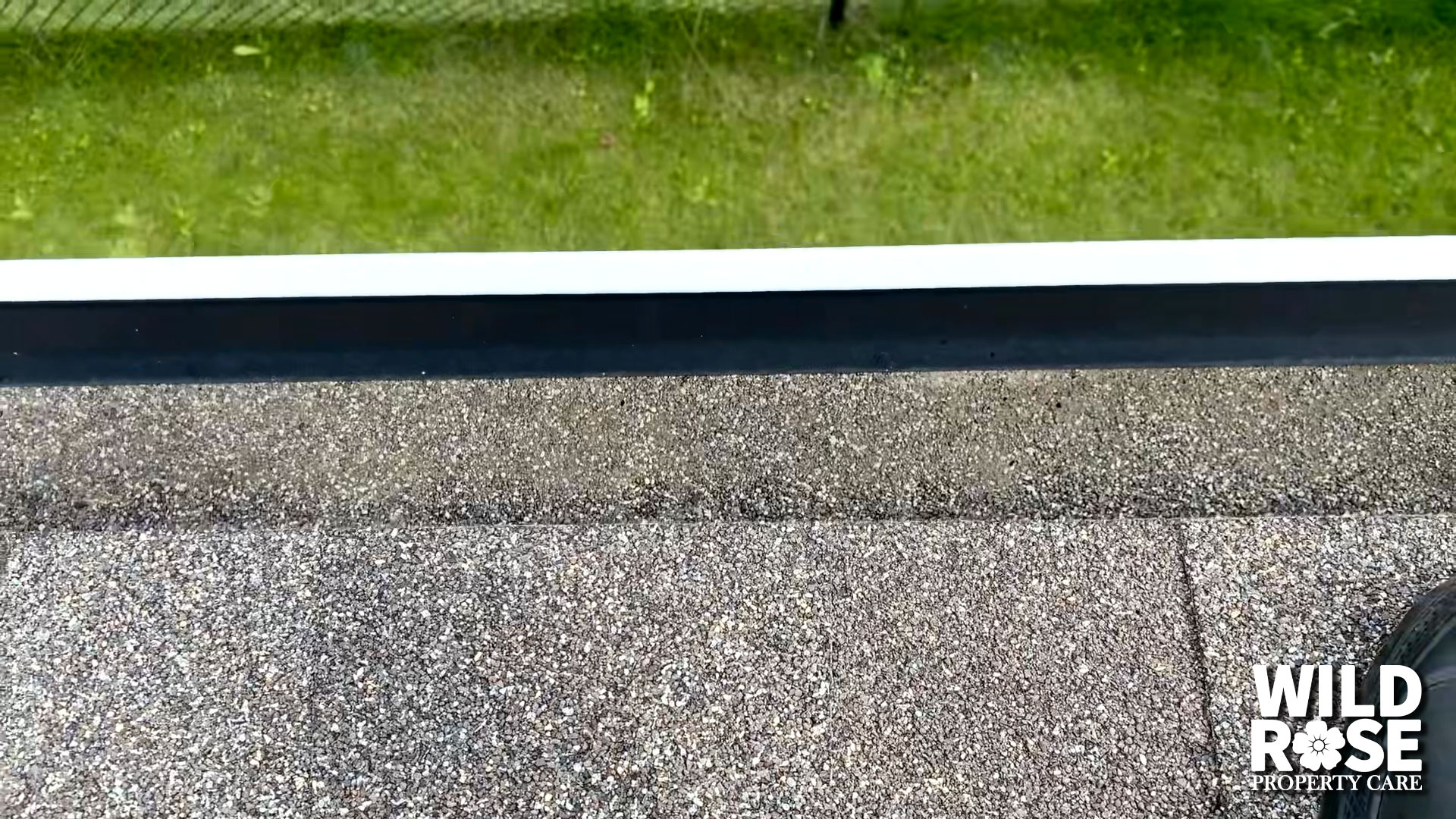
Why Spring Eavestrough Cleaning Is Important
After an Alberta winter, your eavestroughs have been through months of snow, ice, wind, and changing temperatures.
Spring is an excellent time to inspect and clean the system before the heavier rainfall of the warmer months arrives.
Spring cleaning can help remove:
- Leaves and organic debris left over from the previous fall
- Pine needles and other conifer debris
- Small branches and seeds
- Dirt and sediment
- Debris carried onto the roof during winter
- Material that may have shifted or accumulated during freezing and thawing
Even if your eavestroughs looked reasonably clean when winter arrived, that does not necessarily mean they are ready for spring.
A small amount of debris can become a significant blockage once it mixes with moisture and additional material.
Spring is also a good time to look for damage
Cleaning provides an opportunity to look at the condition of the eavestrough system itself.
Things worth checking include:
- Sagging or poorly aligned sections
- Loose fasteners
- Separated joints
- Damaged downspouts
- Blockages
- Areas where water does not appear to drain properly
- Signs of overflow or staining
Cleaning is therefore about more than simply removing leaves. It is an opportunity to make sure the system is ready for another season of rain and runoff.
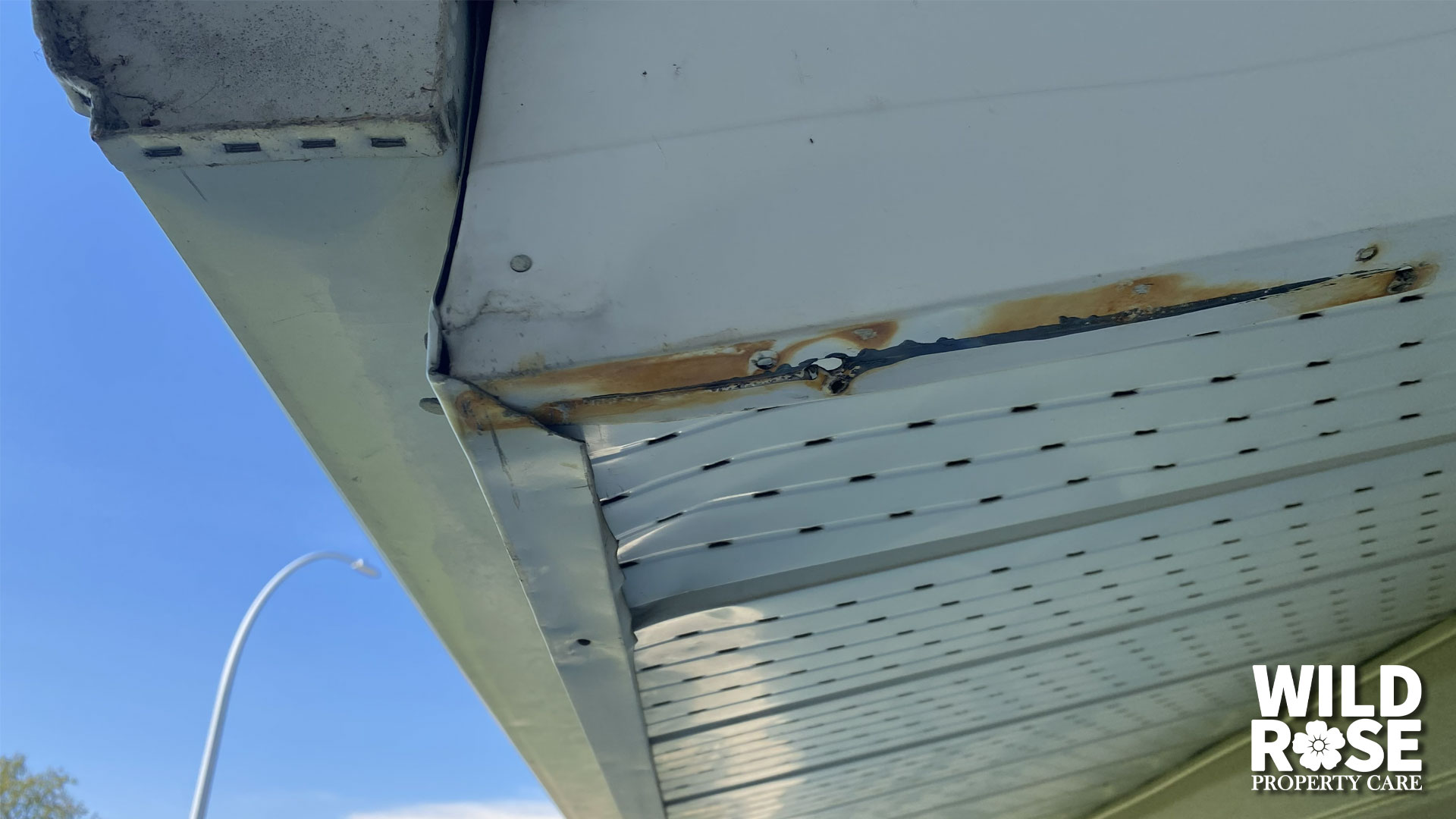
Why Fall Eavestrough Cleaning Is Especially Important
If spring prepares your eavestroughs for the rainy season, fall prepares them for winter.
As temperatures drop and leaves begin to fall, eavestroughs can fill surprisingly quickly.
A system that was completely clear in September can become heavily obstructed within a matter of weeks.
This is particularly true for homes surrounded by mature trees.
Fall cleaning helps remove:
- Fallen leaves
- Pine needles
- Seeds
- Small twigs
- Roof debris
- Other organic material accumulated throughout the year
Ideally, the final fall cleaning should take place after most of the leaves have fallen but before winter conditions make access more difficult.
There is no perfect date for this in Alberta. Weather varies from year to year, and trees do not all drop their leaves at exactly the same time.
For that reason, watching your property can be more useful than relying on a specific date on the calendar.
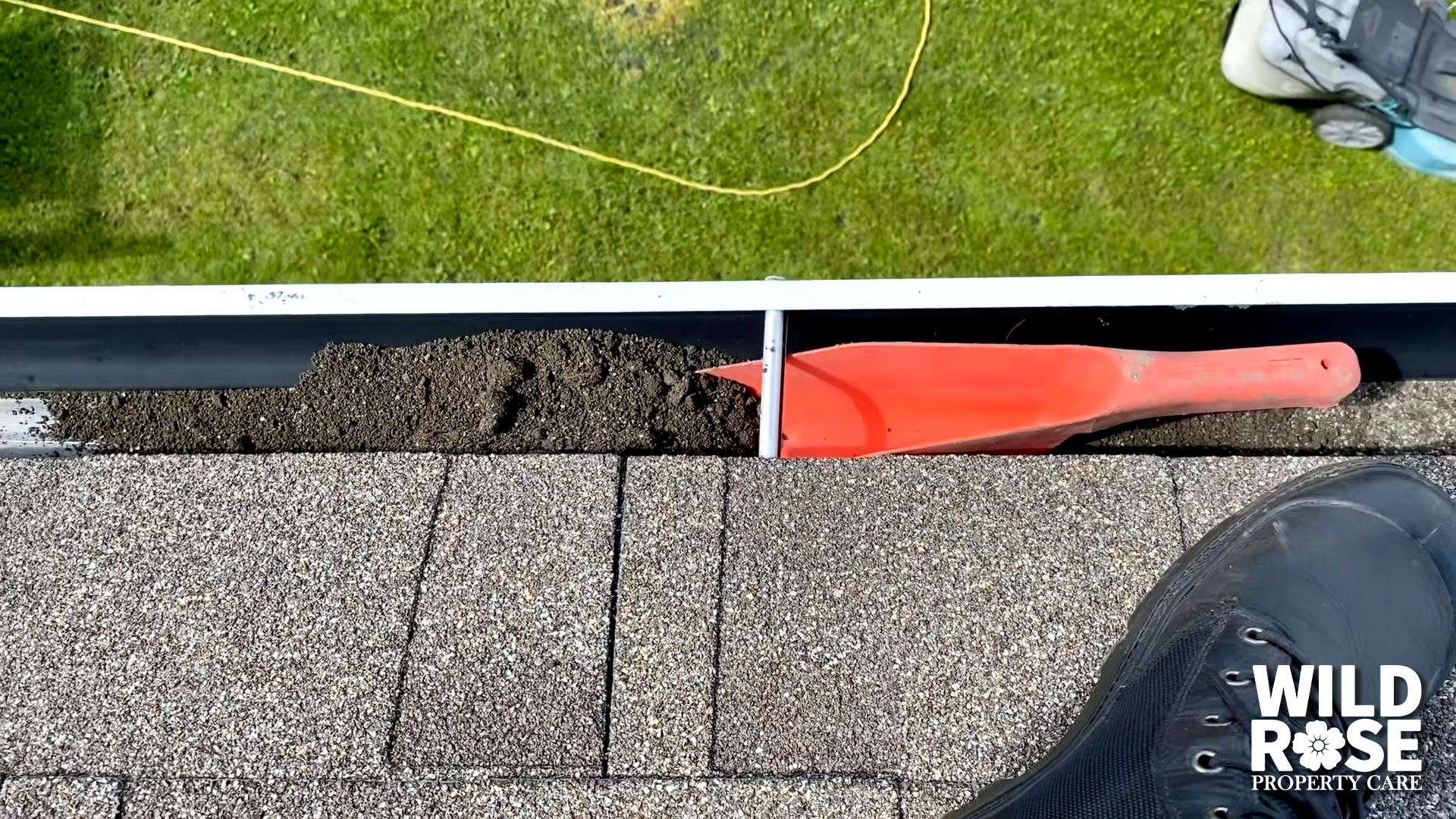
Do You Have Trees Near Your House?
If the answer is yes, your eavestrough cleaning schedule may need to be more frequent.
Trees are one of the biggest contributors to eavestrough debris.
Leaves are the obvious culprit, but they are far from the only one.
Trees can also contribute:
- Pine needles
- Small twigs
- Seeds
- Buds
- Bark
- Other organic material
Wind can also carry debris from trees that aren't directly over your roof.
That means even if there isn't a large tree immediately beside your house, your eavestroughs can still collect material from surrounding vegetation.
Mature Trees Can Change the Equation
A property that was easy to maintain when the landscaping was young may require considerably more maintenance years later.
As trees mature, their canopies become larger and can extend over the roof.
More branches above the roof generally means more material eventually finding its way into the eavestrough system.
If you have noticed that your eavestroughs seem to fill up much faster than they used to, the growth of nearby trees may be part of the reason.

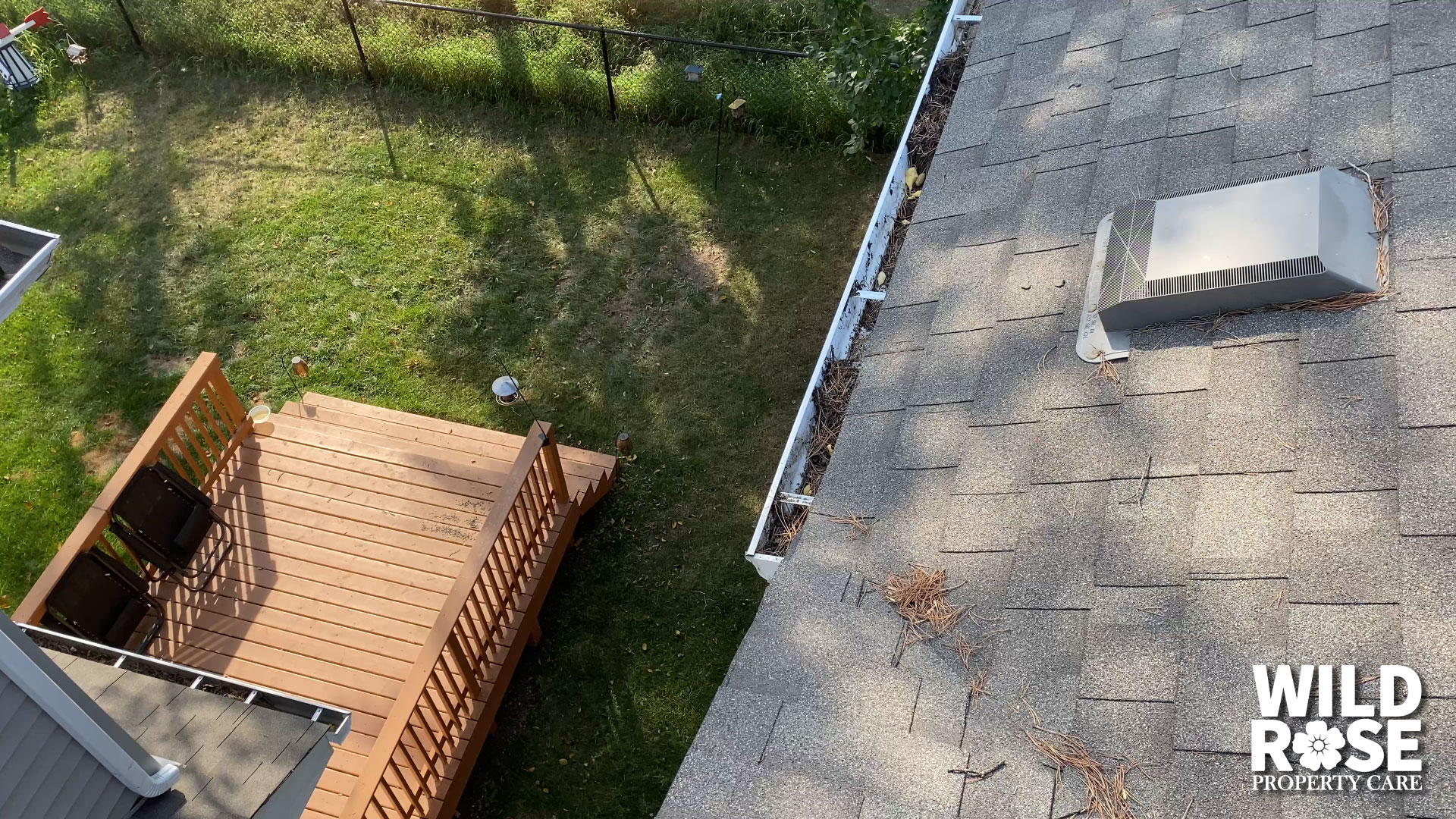
What About Pine Needles?
Pine needles deserve special attention.
Unlike large leaves that are relatively easy to spot, pine needles are small, numerous, and capable of accumulating throughout the eavestrough and downspout system.
A few needles may not seem like much.
Thousands of them are another story.
Pine needles can collect together with leaves, seeds, dirt, and other debris, creating dense material that restricts water flow.
Homes surrounded by spruce, pine, and other coniferous trees may therefore require more frequent eavestrough maintenance than homes without nearby trees.
If you regularly find a significant amount of needles in your eavestroughs after cleaning, that is useful information when deciding how often the system should be serviced.
"How Quickly Can Eavestroughs Fill Up?
It depends entirely on the property.
Some homes can go many months without accumulating enough debris to create a serious obstruction. Others can begin collecting material shortly after being cleaned.
Factors include:
- The amount of vegetation. More trees generally mean more potential debris.
- The type of trees. Different trees produce different types and quantities of material.
- Wind exposure. Wind can move leaves, needles, seeds, and small debris onto your roof from trees that aren't directly beside the house.
- Roof design. Different roof configurations can affect how water and debris move toward the eavestroughs.
- Surrounding environment. Neighbouring trees and vegetation can contribute to debris even when your own property has relatively few trees. This is why a neighbour's cleaning schedule isn't necessarily the right schedule for your home.
Signs Your Eavestroughs May Need Cleaning
You don't always need to wait for your scheduled spring or fall cleaning.
If you notice any of the following, your eavestroughs may need attention:
- Water overflowing during rainfall
- Water spilling over the front or sides of the eavestrough
- Plants or weeds growing in the eavestrough
- Visible buildup of leaves or needles
- Sagging sections
- Water pooling near the foundation
- Staining beneath the eavestrough
- Downspouts that appear blocked
- Debris accumulating heavily in certain sections
One particularly useful warning sign is water overflowing during a rainfall when the eavestrough itself appears intact.
If the system is properly positioned but water cannot move through it efficiently, a blockage somewhere in the system may be the culprit.
Does Cleaning Once a Year Provide Enough Protection?
Sometimes.
For a property with minimal surrounding vegetation, an annual cleaning may be sufficient depending on how quickly debris accumulates.
But for many homes, especially those surrounded by mature trees, twice-yearly cleaning is a more practical maintenance schedule.
And some properties may require additional cleaning.
The goal is not to clean your eavestroughs as often as possible.
The goal is to clean them often enough that debris does not interfere with the system's ability to manage water.
That's an important distinction.
A Simple Eavestrough Maintenance Schedule for Leduc Homes
As a general starting point:
🌱 Spring
Clean and inspect
Remove debris accumulated over the fall and winter and make sure water can flow freely before spring and summer rainfall.
☀️ Summer
Monitor
Keep an eye on the system, particularly during heavy rainfall. Properties with lots of surrounding trees may require additional attention.
🍂 Fall
Clean and prepare
Remove leaves, needles, and other debris before winter arrives.
❄️ Winter
Monitor when practical
Avoid unnecessary ladder work during hazardous winter conditions. Watch for unusual ice buildup, drainage problems, or other signs that the system may not be functioning properly.
What If Your Eavestroughs Keep Filling Up?
If your eavestroughs are repeatedly full shortly after being cleaned, don't simply assume that cleaning them more often is the only solution.
It may be worth looking at the system as a whole.
There could be issues involving:
- Downspout capacity
- Drainage
- Eavestrough alignment
- Sagging sections
- Fasteners
- Roof runoff
- Debris from nearby trees
In some cases, trimming or managing nearby vegetation may also reduce the amount of material reaching the roof.
Regular cleaning is important, but good property maintenance starts with understanding why a problem is occurring.
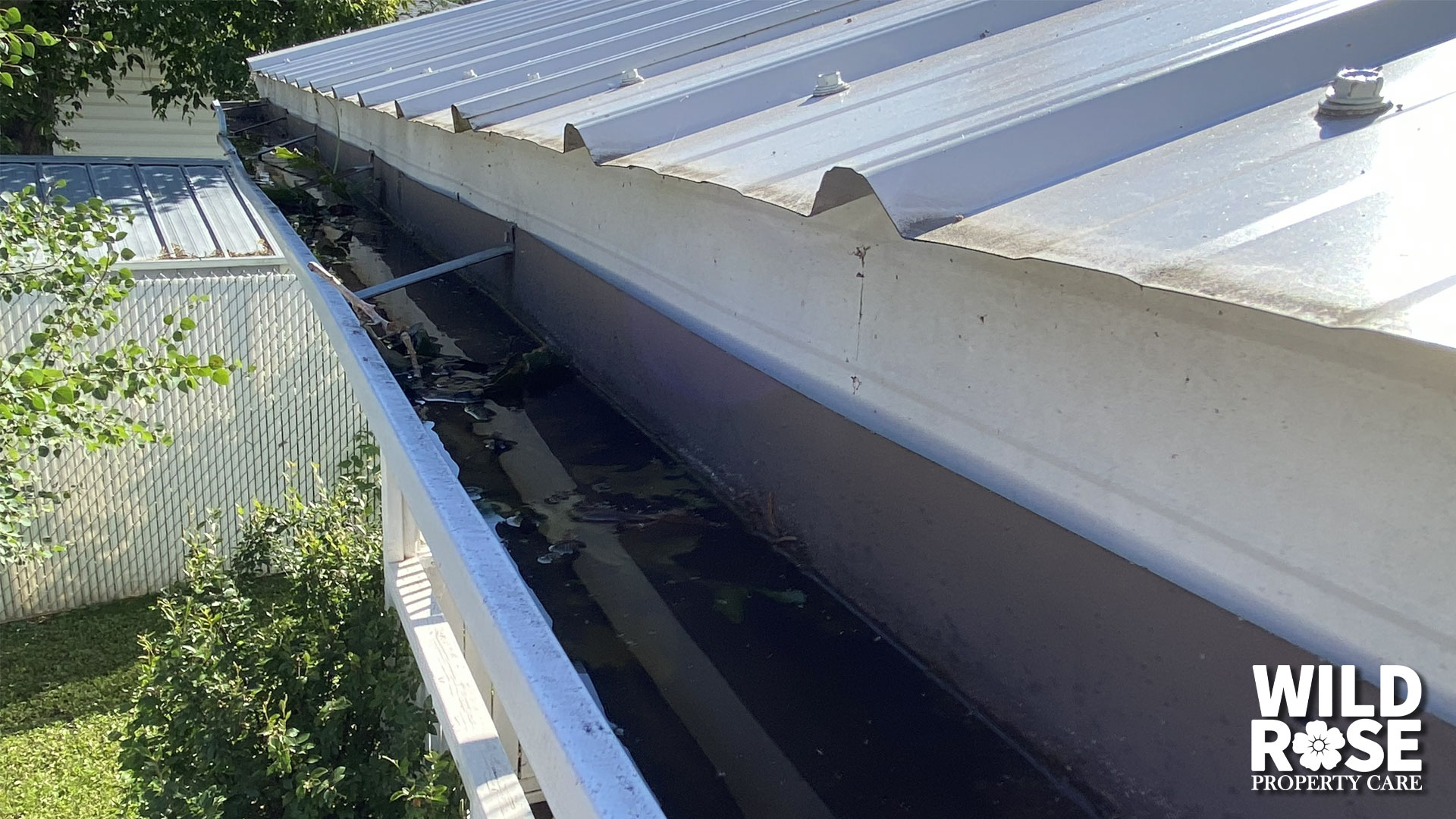
Should You Clean Your Eavestroughs Yourself?
For some homeowners, eavestrough cleaning may look like a straightforward weekend project.
But working from a ladder around a roof edge carries real risks.
It is also important to consider how the ladder contacts the eavestrough.
Eavestroughs are designed to carry water, not support the weight of a person and ladder.
Using an appropriate ladder stabilizer or ladder wings can help keep the ladder from resting directly against the eavestrough and reduce the risk of damaging the system.
Professional cleaning can also provide an opportunity to inspect the system while the work is being performed.
If you're uncomfortable working from a ladder, have a multi-storey home, or simply don't have the appropriate equipment, hiring a professional can be a worthwhile maintenance expense.
Don't Wait Until Your Eavestroughs Overflow
Eavestrough cleaning is one of those maintenance tasks that is easy to overlook because problems aren't always obvious from the ground.
By the time water is visibly overflowing, the system may already be struggling to handle runoff.
For many Leduc homes, spring and fall are good times to put eavestrough cleaning on the maintenance calendar. If you have mature trees, particularly conifers, you may want to check your eavestroughs more frequently.
A few minutes of prevention can be far less expensive than dealing with water where it shouldn't be.

Need Your Eavestroughs Cleaned?
Wild Rose Property Care provides residential eavestrough cleaning in Leduc and surrounding communities.
Whether you're preparing your home for spring rainfall, getting ready for another Alberta winter, or simply can't remember the last time your eavestroughs were cleaned, we're happy to help.
Keep the water moving where it belongs and away from your home.
Next in the series: Professional Eavestrough Cleaning vs. DIY: What Homeowners Should Know.